The Symbolism of Easter Flowers and Their Meanings

Easter is a time of renewal, hope, and celebration. One of the most beautiful ways people express these themes is through flowers. The blooms chosen for Easter carry deep meanings and have been part of traditions for centuries. Understanding the symbolism behind these flowers adds a richer layer to the holiday experience.

Why Flowers Matter at Easter
Flowers are more than decoration during Easter. They represent new life and the promise of spring after the cold winter months. Many Easter flowers have religious significance, symbolizing purity, resurrection, and joy. Their colors and types often reflect the themes of the season, making them a meaningful part of Easter celebrations.
Common Easter Flowers and Their Meanings
Lilies
Lilies are perhaps the most iconic Easter flower. The white lily, often called the Easter lily, symbolizes purity and the resurrection of Jesus. Its trumpet shape is said to represent the heralding of new life and hope. These flowers are frequently used in churches and homes during Easter to remind people of the spiritual renewal the holiday represents.
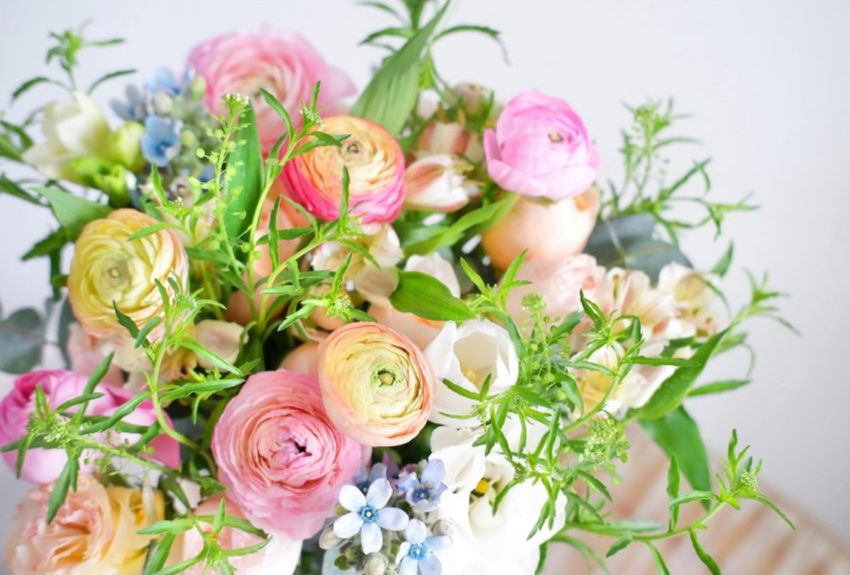
Tulips
Tulips bloom in early spring, making them a natural choice for Easter. They symbolize perfect love and rebirth. Different colors of tulips carry various meanings: red tulips stand for true love, yellow for cheerful thoughts, and white for forgiveness. Their bright, cup-shaped blossoms bring a joyful and fresh feeling to Easter decorations.
Daffodils
Daffodils are among the first flowers to bloom in spring, symbolizing new beginnings and rebirth. Their bright yellow color reflects happiness and optimism. In Christian symbolism, daffodils represent resurrection and eternal life, making them a fitting flower for Easter celebrations.
Hyacinths
Hyacinths offer a sweet fragrance and vibrant colors during Easter. They symbolize sincerity and constancy. Blue hyacinths, in particular, are associated with peace and calm, while purple ones represent sorrow and forgiveness. Including hyacinths in Easter arrangements can add both beauty and a deeper message of faith and reflection.
Crocuses
Crocuses are small but powerful symbols of new life. They often appear through the last snow, signaling the end of winter. Their early bloom represents hope and joy, fitting perfectly with Easter’s themes. Crocuses come in various colors, each adding a unique touch to Easter floral displays.
How to Use Easter Flowers in Your Celebration
Incorporating these flowers into your Easter celebration can be simple and meaningful. Here are some ideas:
Centerpieces: Combine lilies, tulips, and daffodils for a vibrant table centerpiece that symbolizes purity, love, and new beginnings.
Wreaths: Use crocuses and hyacinths to create a fragrant wreath for your door, welcoming guests with hope and sincerity.
Gifts: A bouquet of mixed Easter flowers can be a thoughtful gift that carries heartfelt messages.
Decor: Place single stems of lilies or tulips in small vases around your home to remind everyone of the season’s significance.

The Colors of Easter Flowers and Their Symbolism
Colors play a crucial role in the meaning of Easter flowers. Here’s a quick guide to what different colors represent:
White: Purity, innocence, and resurrection
Yellow: Joy, happiness, and new beginnings
Purple: Sorrow, penance, and royalty
Red: Love, sacrifice, and passion
Pink: Grace, gratitude, and admiration
Choosing flowers with these colors can enhance the symbolic message you want to share during Easter.
The History Behind Easter Flowers
The tradition of using flowers at Easter dates back to early Christian times. Flowers were used to decorate churches and homes to celebrate the resurrection of Christ. Over time, specific flowers became associated with the holiday because of their blooming season and symbolic meanings. For example, the Easter lily was introduced in the United States in the late 19th century and quickly became a popular symbol of the holiday.
Practical Tips for Caring for Easter Flowers
To keep your Easter flowers fresh and beautiful, follow these tips:
Cut stems at an angle before placing them in water.
Change the water every two days to prevent bacteria growth.
Keep flowers away from direct sunlight and heat sources.
Use flower food if available to extend their life.
Remove any leaves below the waterline to avoid rot.
Proper care ensures your flowers stay vibrant throughout the Easter season.
Bringing Easter Flowers Into Your Home
Using Easter flowers can transform your home into a space filled with meaning and beauty. Whether you prefer a simple vase of daffodils or an elaborate arrangement of lilies and tulips, these flowers remind us of the season’s message: hope, renewal, and love. Their presence can lift spirits and create a warm, welcoming atmosphere for family and friends.


Comments